Jazz in the Park

CLUJ NAPOCA

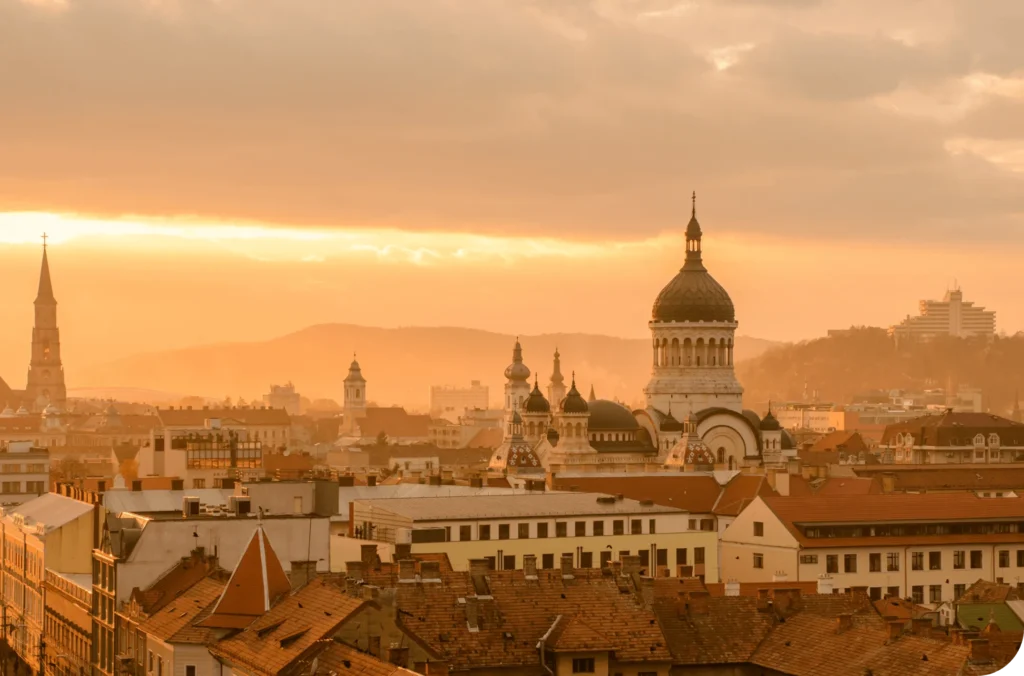
Cluj-Napoca is one of the most vibrant cities in Romania and is unofficially considered the capital of the Transylvania region. It’s a young city, full of students, great cafés, interesting restaurants, and a relaxed pace of life.

Locals simply call it Cluj, and it’s known for its universities, active cultural scene, and the many festivals that take place here throughout the year, such as TIFF, Untold, Electric Castle, as well as Jazz in the Park and Jazz in the Park Competition.

Cluj is a university city. Students from all over Romania, as well as from other countries, come here to study. We excel in medicine, technical fields—such as engineering and computer science—as well as many other disciplines. Babeș-Bolyai University is the largest in the country.

The city has built a strong reputation around the festivals it hosts. Besides Jazz in the Park, it is home to the Transilvania International Film Festival (TIFF), Electric Castle, and Untold.

There are also many events—both large and small—throughout the year that bring the city to life: Sports Festival, Hungarian Cultural Days, Cluj Days, Lights ON, Street Food Festival, and many more.

Reference prices

Reference prices

Cluj has medium to high prices for Romania, but they are low compared to the European average. The local currency is the Romanian leu (1 EUR = 5.09 RON).


1 APĂ
0.5 EUR (shop) • 1,5 – 2 EUR (bar)
1 BERE
0.5-1.5 EUR (shop) • 2-3 EUR (bar)
1 masă la restaurant
10 – 20 EUR (desigur, poate ajunge și mai scump)
BILETE EVENIMENTE
Biletele la evenimente por fi în jur de 
10-100 EUR

Transportation
Transportation

Cluj has heavy traffic, but there are many great alternatives to getting around by car. Here are our recommendations:


BUS
one ride costs 3 RON (€0.65)
TAXI
one kilometer costs 4 RON (€0.80)
RENT AN E-SCOOTER
variable cost (but low)
RENT A BICYCLE
variable cost (but low)

Accommodation

Accommodation

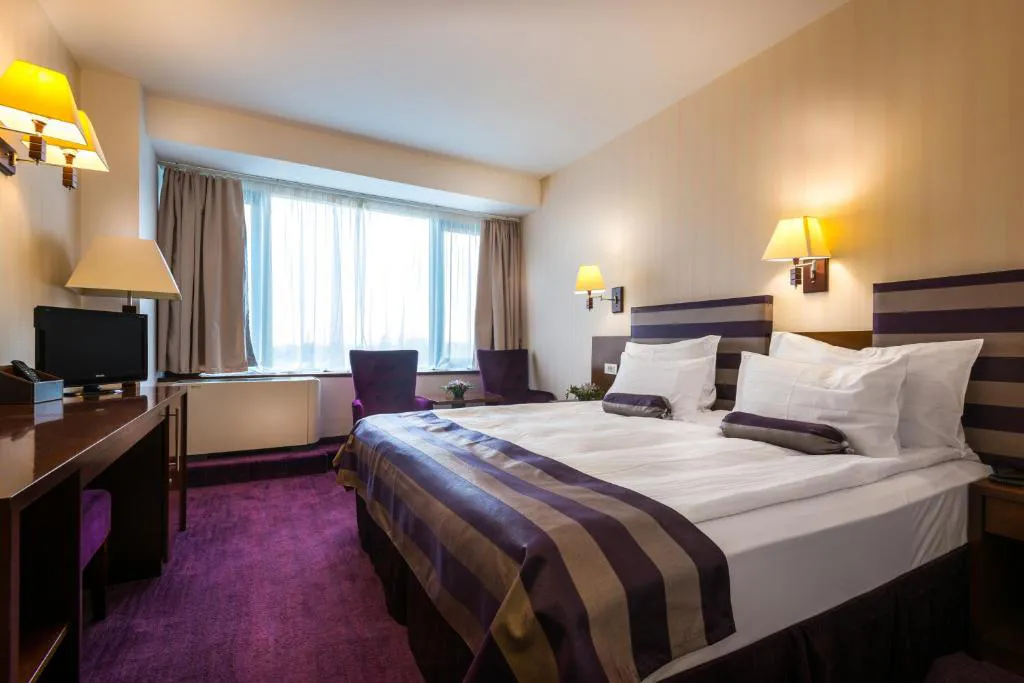
Cluj offers a wide range of accommodation options, with many hotels, as well as plenty of Airbnb listings and hostels to suit all budgets. You can find places starting from as little as €15 per night, with prices going up to €150–200 for 5-star stays.

Our recommendations (close to our festival locations) are:

HOTEL NAPOCA
4-star hotel
HOTEL BELVEDERE
3-star hotel

Things to see

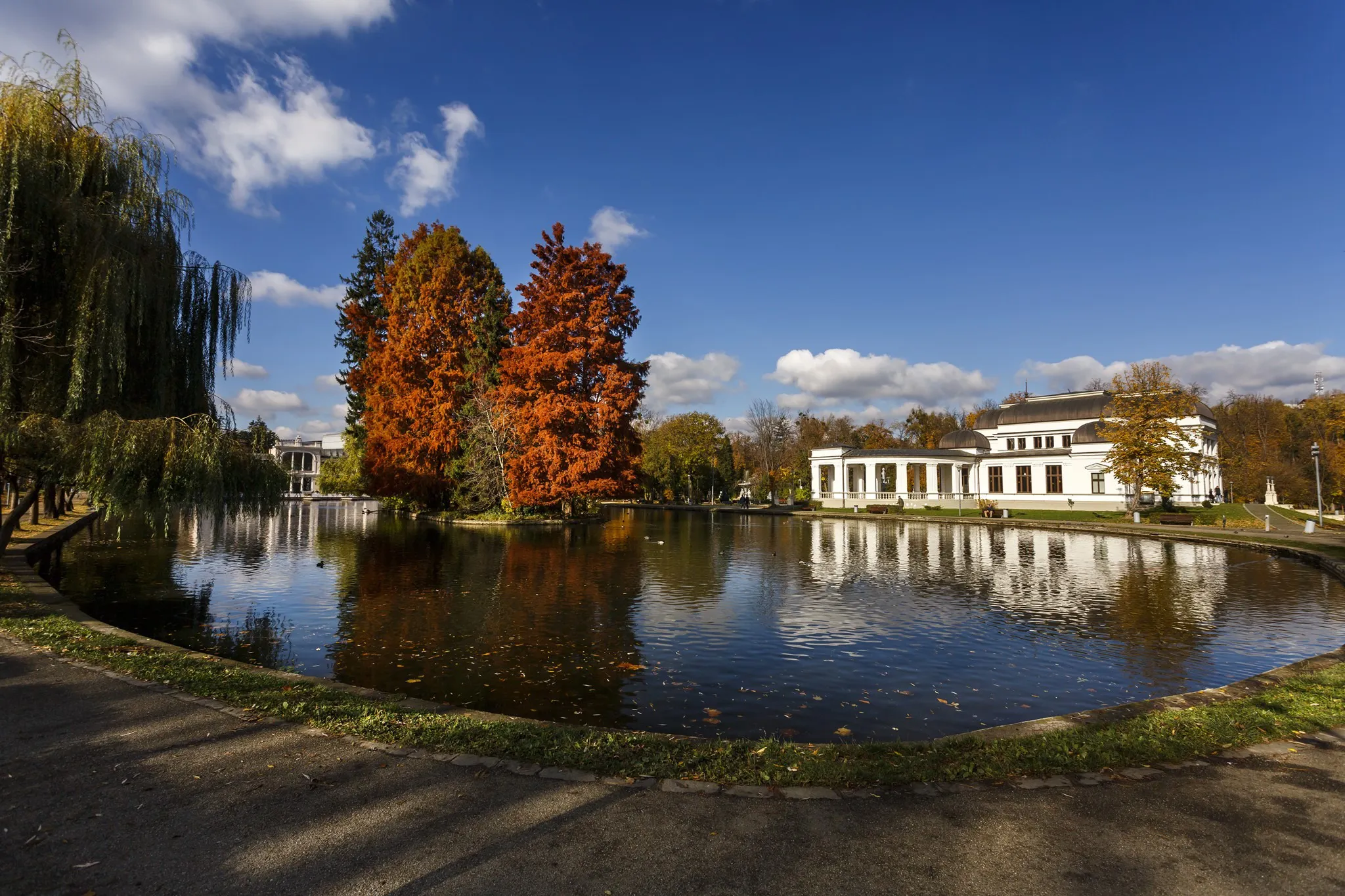
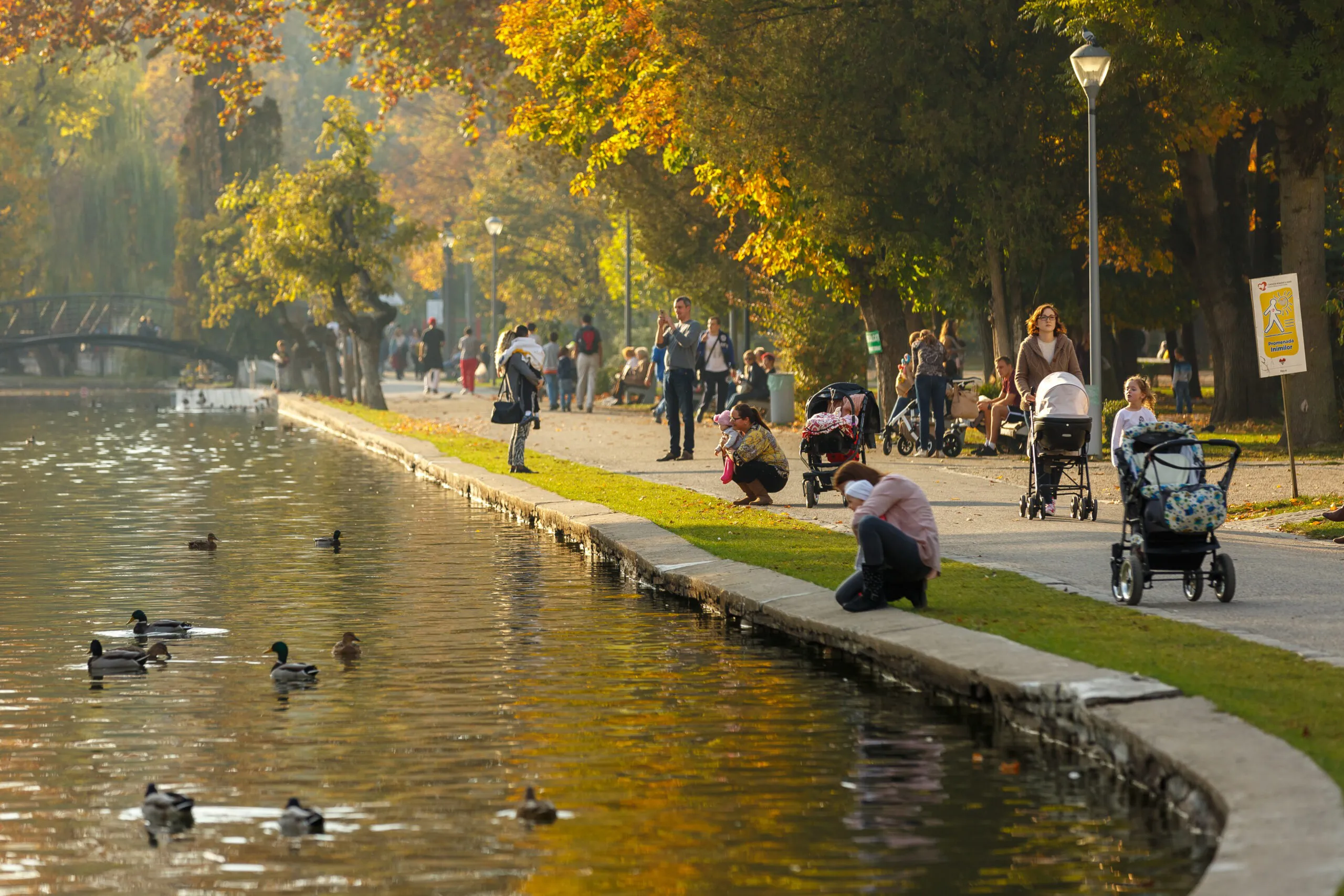
Parcul Central
Parcul Central
Parcul Etnografic
Parcul Etnografic
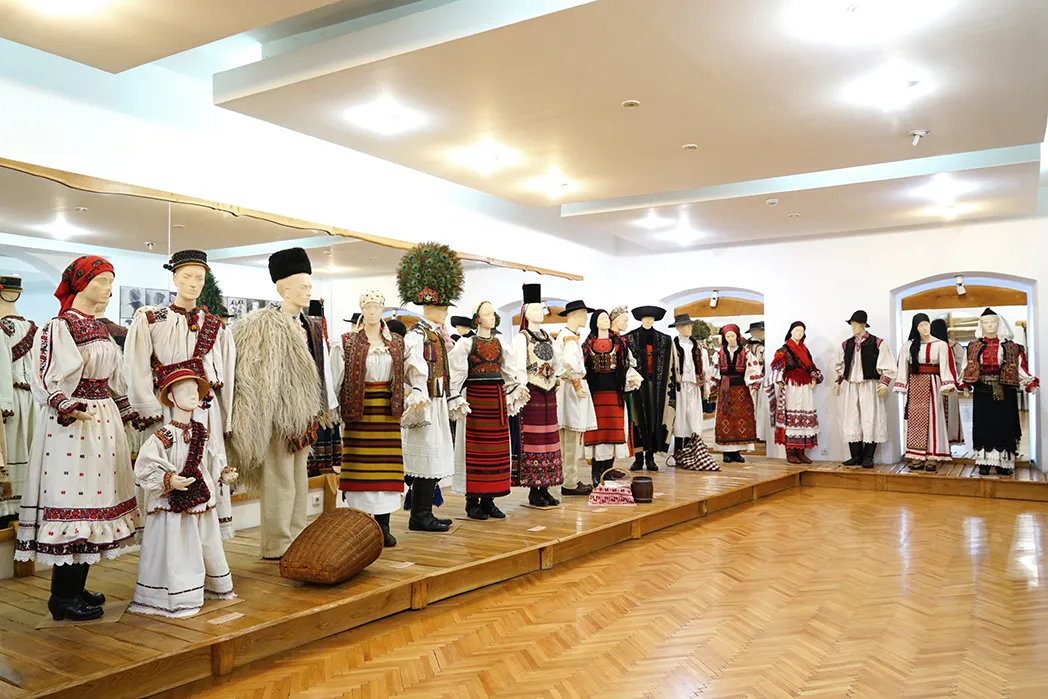
Muzeul Etnografic
Muzeul Etnografic
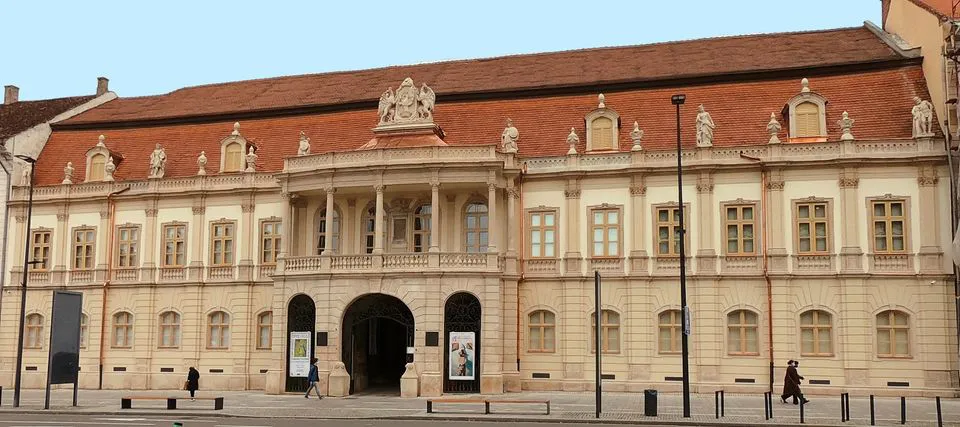
Muzeul de Artă
Muzeul de Artă
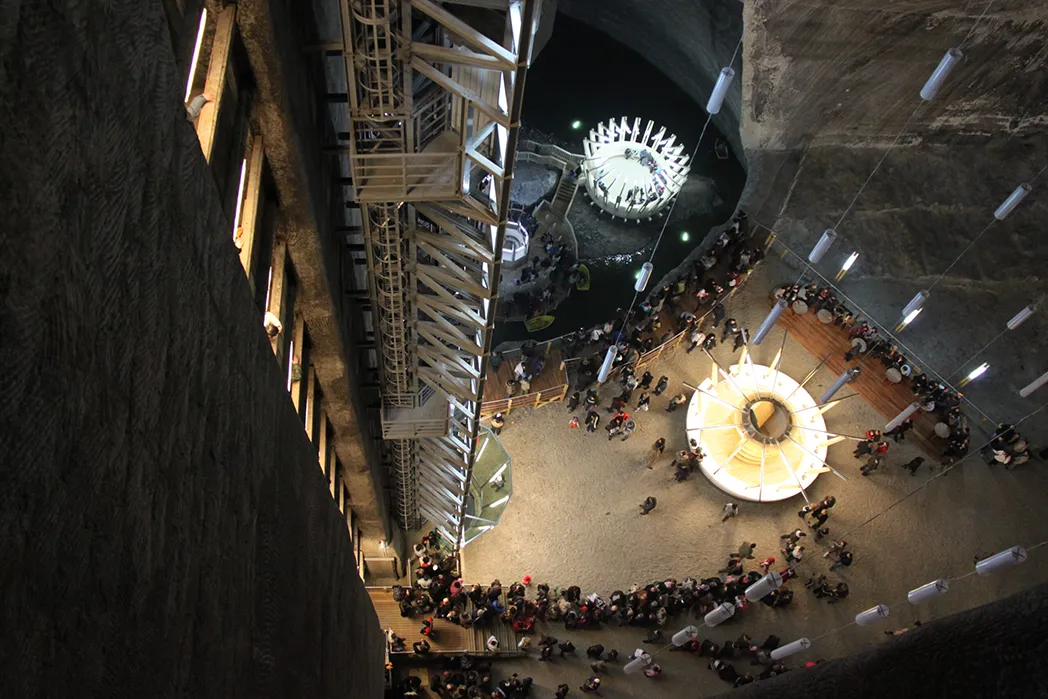
Salina Turda
Salina Turda
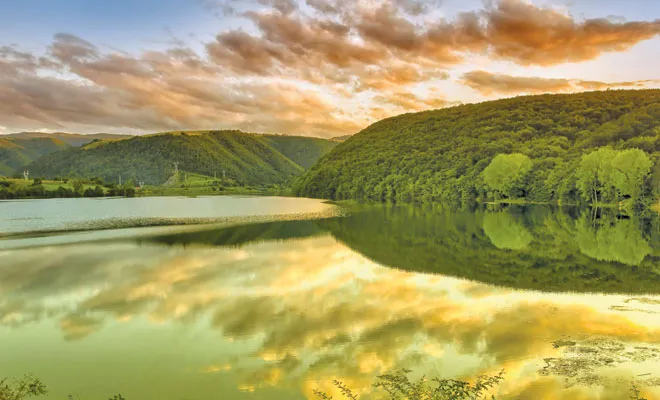
Lacurile Gilău și Tarnița

You can find more information on the website Visit Cluj.

If you’d like a guided tour of the city, we recommend getting in touch with Cluj Guided Tours.

Recommended Restaurants & Bars

Cluj has a very active food scene. Here are some of the places we recommend:

Visuin

It’s a cocktail bar and restaurant located in the heart of the city. They have a beautiful terrace and excellent products. They also run the bars at Jazz in the Park.

Bruto

One of our favorite restaurants, with an excellent decor and a very bold menu.

Tortelli

If you want great pasta, this is the place. Period.

Samsara

For our friends who have chosen not to eat meat.

Cimbru

They started from a food truck and have grown into opening fine dining restaurants. A must-try—we highly recommend it.

Marty

Marty has the most diverse menu in the city. If you’re a large group, you can’t go wrong here.

Olivo / Narcoffee

In Cluj, you simply don’t get bad coffee—it’s just not a thing. But if you see their sign, know that this is where you’ll find the best.

Studio 26

An honest bar in the city. You’ll feel good here.

Ethnographic
Park

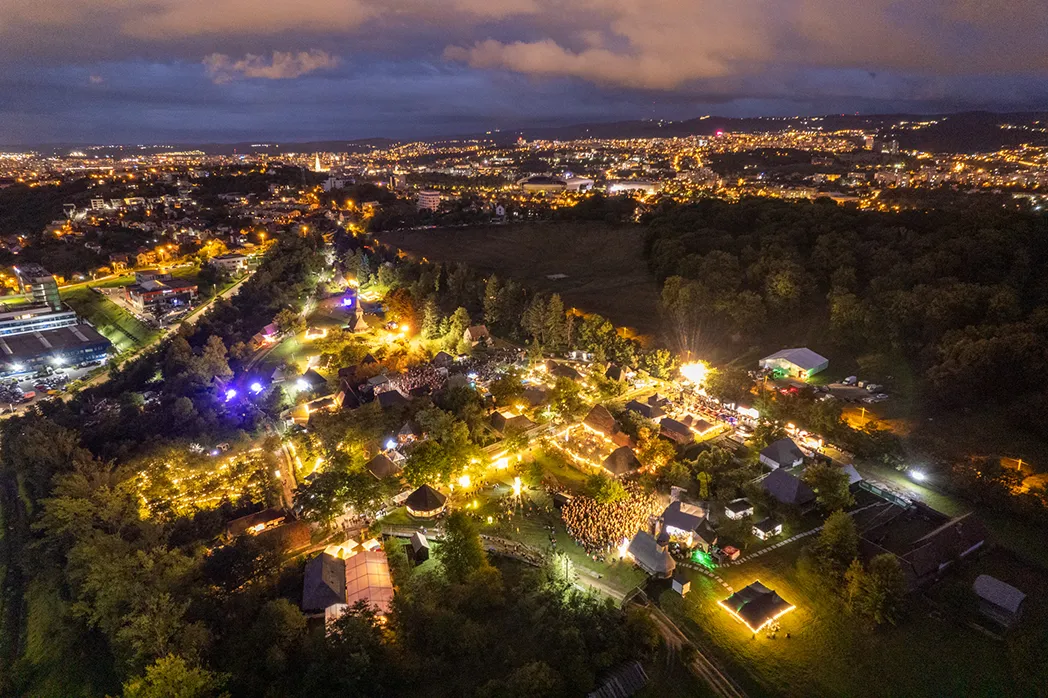
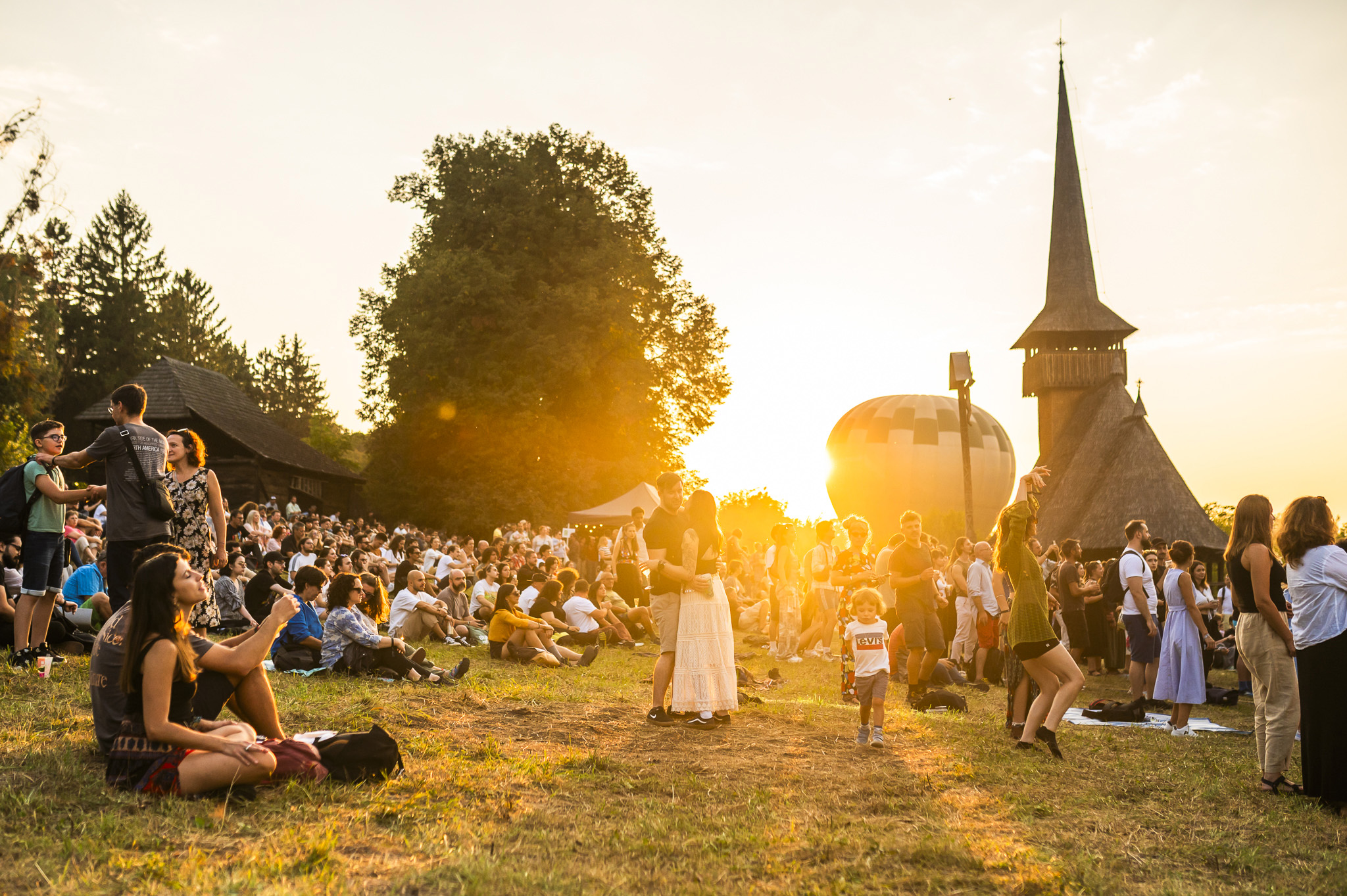
The Ethnographic Park, commonly known as the “Village Museum” of Cluj-Napoca, was founded in 1929 by Romulus Vuia and is the first open-air museum of its kind in the country. The place itself feels like something out of a story.

Most of the houses displayed in the park were donated and brought from all over Transylvania, and there’s a special charm that seems to linger around them. You don’t look at them as simple exhibits—you feel the respect and care you’d sense when stepping into someone’s home. You can tell they were once lived in, appreciated, and lovingly maintained.

The entrance to the park is itself an initiatory path—it prepares you and makes you put in a bit of effort to reach where you want to be. Once inside, you’re welcomed by the scent of freshly cut grass and a feeling as if you’ve stepped into a holiday.

Three churches rise and serve as landmarks in this village hidden in the middle of a bustling city. Maybe a time-traveling machine hasn’t been invented yet—but this place certainly makes time stand still.

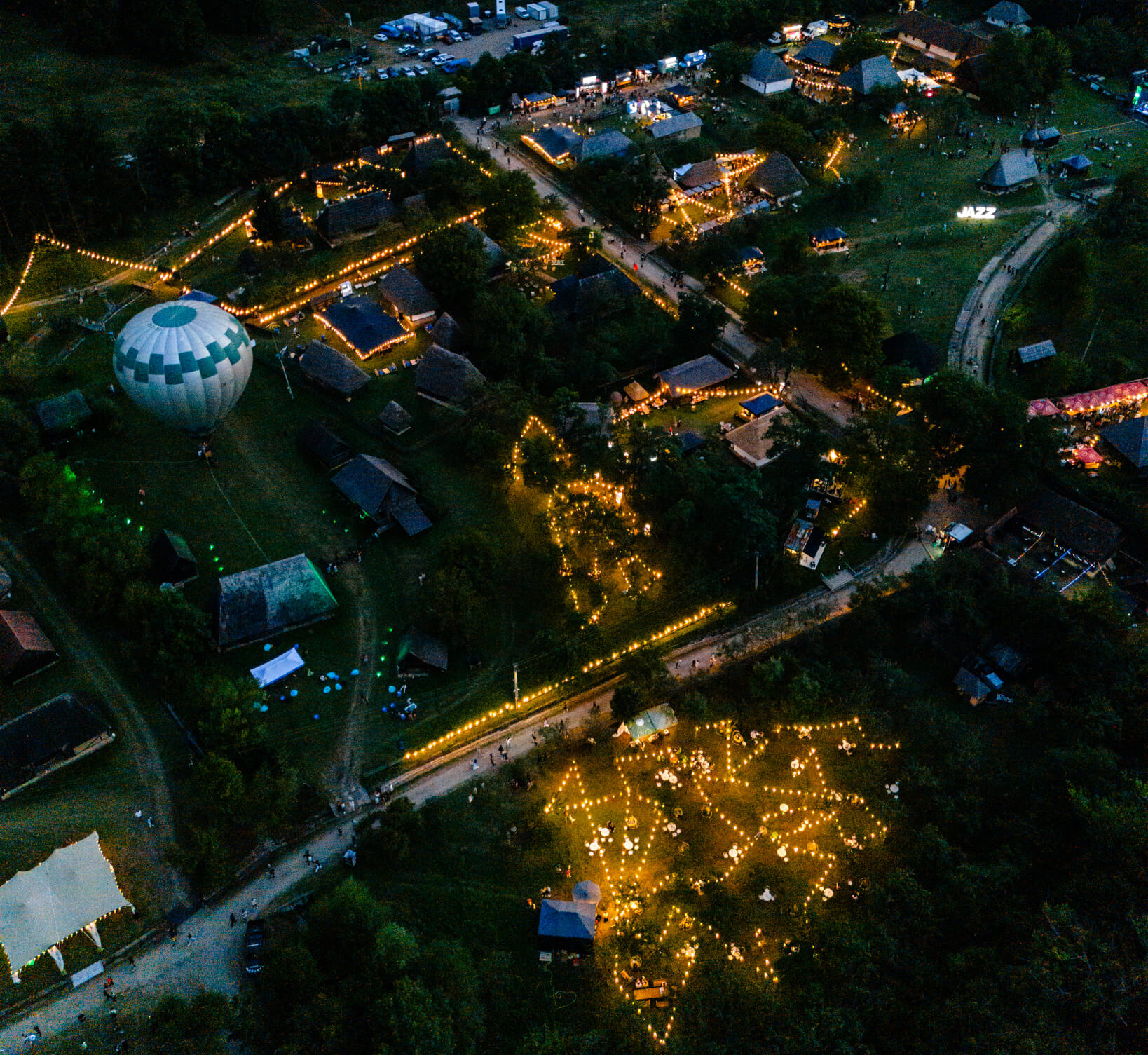
We are honored to host a festival here. We transform every courtyard into a special attraction, hide stages in barns, and set up workshops in the orchards of our little village. And near the churches, we raise two main stages designed to celebrate the music we promote.

Jazz in the Park feels like a fairytale—and much of that is thanks to this place. You can find more information about the park on the Ethnographic Museum’s website.